3 Vallées, Courchevel-only or the pedestrian pass: which to choose for your level, and at what price.
Before you even clip into your skis, there’s a decision to make: which pass? The right choice depends on your level, the length of your stay and, above all, the number of days you’ll genuinely ski, which is nearly always fewer than the number announced in December.
The price at a glance
Rates change every season and rise over holiday weeks, I confirm the current price when booking.
The 3 Vallées pass
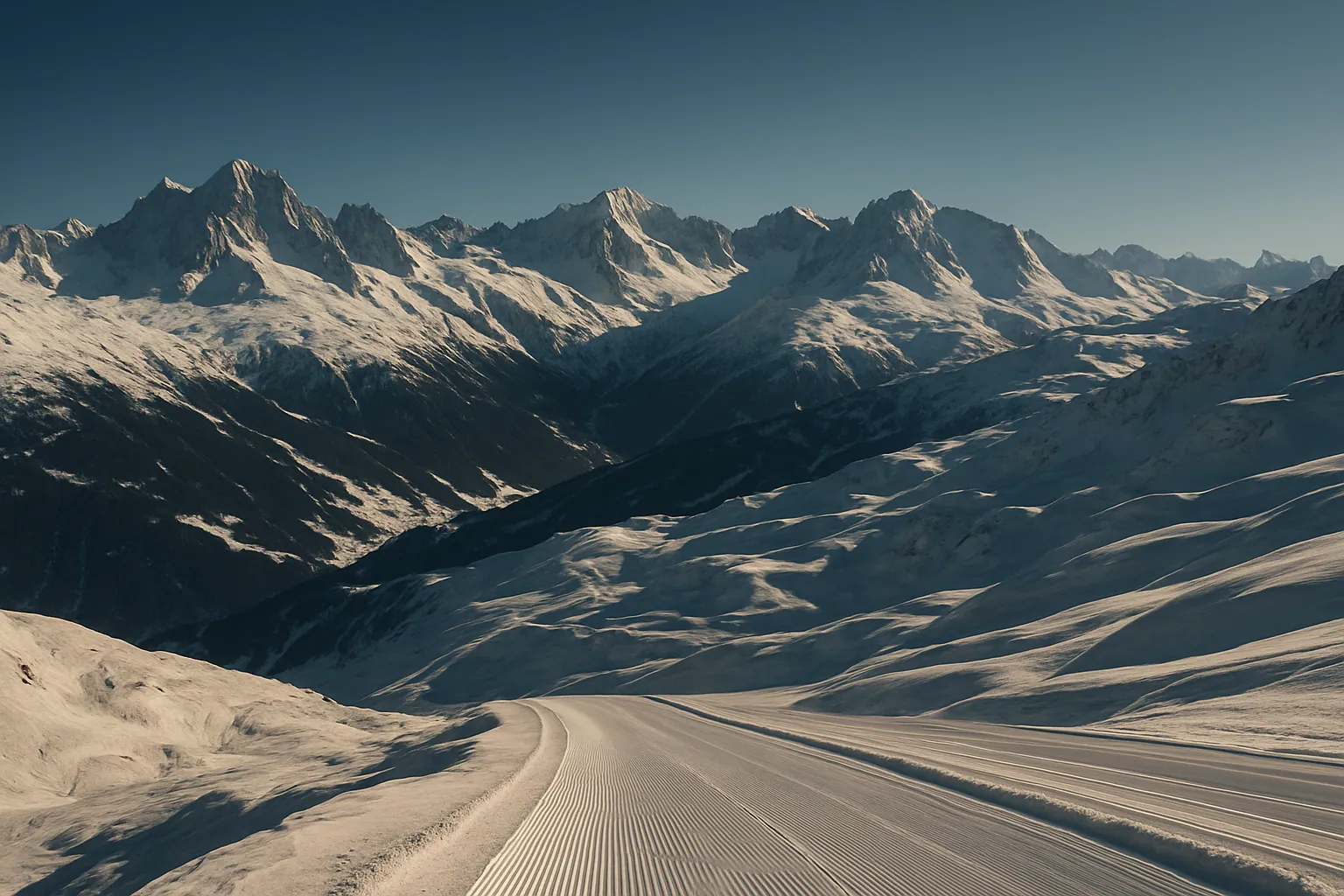
Access to the largest ski area in the world, for those who want to roam widely, from one valley to the next. It’s the one I recommend as soon as you want to move and see the terrain.
One honest clarification, though: nobody skis the 3 Vallées in a week. Over six days you’ll explore a good part of it if you ski well and start early, not all of it. What the pass buys you isn’t mileage, it’s the freedom to change valley on the morning the snow is better elsewhere, or the day wind closes a sector. It’s weather insurance as much as access.
The Courchevel-only pass
If you stay on the Courchevel sector, a local pass costs a little less: perfect for a short stay, for a family whose children are in lessons all week, or for skiers who don’t intend to roam the three valleys. There’s already a great deal of skiing on Courchevel alone, between 1350 and the summit of La Saulire.
Watch out for a classic trap: the price gap between the local and the 3 Vallées pass is modest. Taking the local one to save money and then wanting to cross to Méribel mid-week costs more than having taken the full pass to begin with.
The pedestrian pass, for beginners and non-skiers
For genuine beginners, or those who don’t ski at all, the pedestrian pass gives access to the lifts and the easiest slopes, and lets you practise on the magic carpet, the moving belt, ideal for starting without pressure. It’s often where I have a true beginner start, before switching to a full pass mid-week.
And for a non-skier it’s the best purchase of the week: it opens up the mountain restaurants, the sunny terraces and the viewpoints, that is, everything that makes a resort charming, without having to ski down anything.
When and where to buy it
- Online and in advance. Rates are generally better than at the counter, and you avoid the Sunday-morning queue, which, along with Saturday on the road, is the second great waste of time on a ski holiday.
- Have one ID photograph per person ready, children included. It’s the formality that holds up every family at the desk.
- The pass sits on a reusable card with a small deposit. Keep it from one season and one resort to the next.
- Look at non-consecutive-day formulas if you’re not sure you’ll ski every day. Over seven nights, most of my clients ski four to five days, between a day of bad weather, a spa day and a lunch that runs long.
- We collect the passes before you arrive and leave them at the chalet with the equipment. You click in on Monday morning without going near a ticket office.