Val d’Isère alone or Val d’Isère–Tignes: why I nearly always recommend the full area, what it costs, and the one factor nobody checks before buying.
In Val d’Isère, the pass question is simpler than in Megève, and the answer is more expensive. This isn’t a resort you come to for lunch: you come to ski, on one of the finest high-altitude areas in Europe, and that has a price. Better to know it and choose accordingly.
Prices at a glance
Indicative adult rates, which change every season, I always confirm the exact figure before booking. The gap between the two passes isn’t dramatic, and that’s precisely what makes the choice simple.
Why I nearly always recommend the full area
It isn’t for the number of kilometres, nobody skis three hundred kilometres in a week, and pretending otherwise would be dishonest. It’s for a far more prosaic reason: the weather.
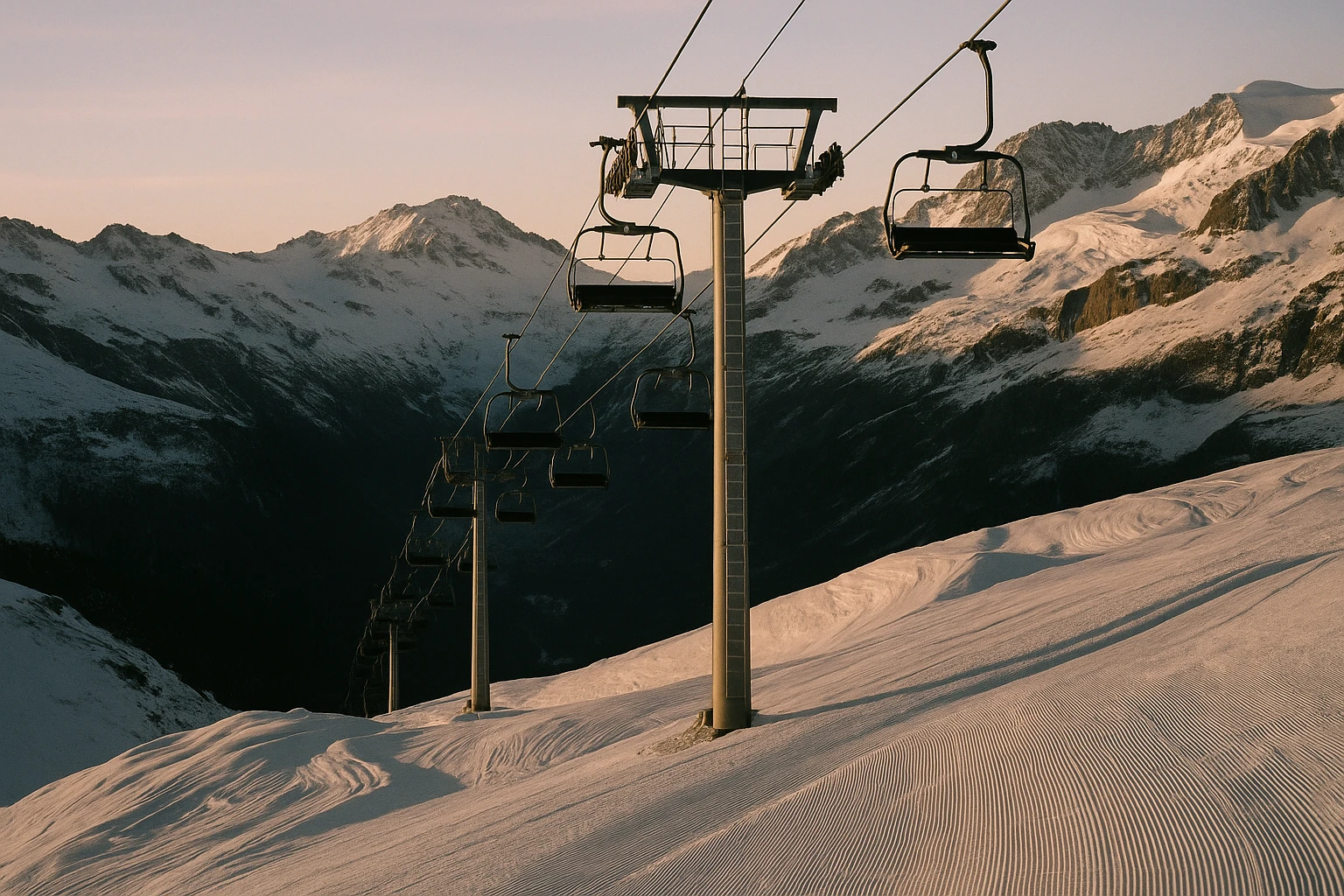
Val d’Isère is a high, exposed resort. When the wind gets up, the highest lifts close, sometimes for several days running. With the full area you always have a sheltered slope, a tree-lined sector, a workable glacier on the other side. With the local pass, a windy day becomes a lost day. The price gap between the two amply covers that insurance, and it’s the only argument I genuinely press with my clients.
When the local pass is enough
- A genuine beginner, or children in lessons all week: they won’t leave the resort’s own sector, and the full area is of no use to them.
- A two- or three-day stay: buy by the day and decide each morning according to the weather. It’s nearly always fairer than a week pass.
- A stay where skiing isn’t the priority, that exists even here, between the spa, the tables and the walks. The pedestrian pass then deserves a look: the mountain restaurants are worth the ride up, skis or no skis.
The factor nobody checks
Altitude, precisely. Val d’Isère skis high, very high, and the area holds its snow when other resorts are improvising. That’s what justifies the price of the pass, and it’s why I keep sending clients there in spring, when the lower Tarentaise has thrown in the towel.
The less pleasant corollary: wind closures are frequent, and a pass isn’t refunded because the top of the area shut for a day. Read the terms and the guarantees offered at the moment of purchase rather than at the moment of the problem, I do it for my clients, but if you’re buying yourself, take those five minutes.
When and how to buy it
- Online, in advance: rates are generally better than at the counter, and you avoid the Sunday-morning queue, which is particularly long here.
- One ID photograph per person, children included. It’s the formality that holds up every family at the desk.
- The pass sits on a reusable card with a small deposit: keep it from one season to the next.
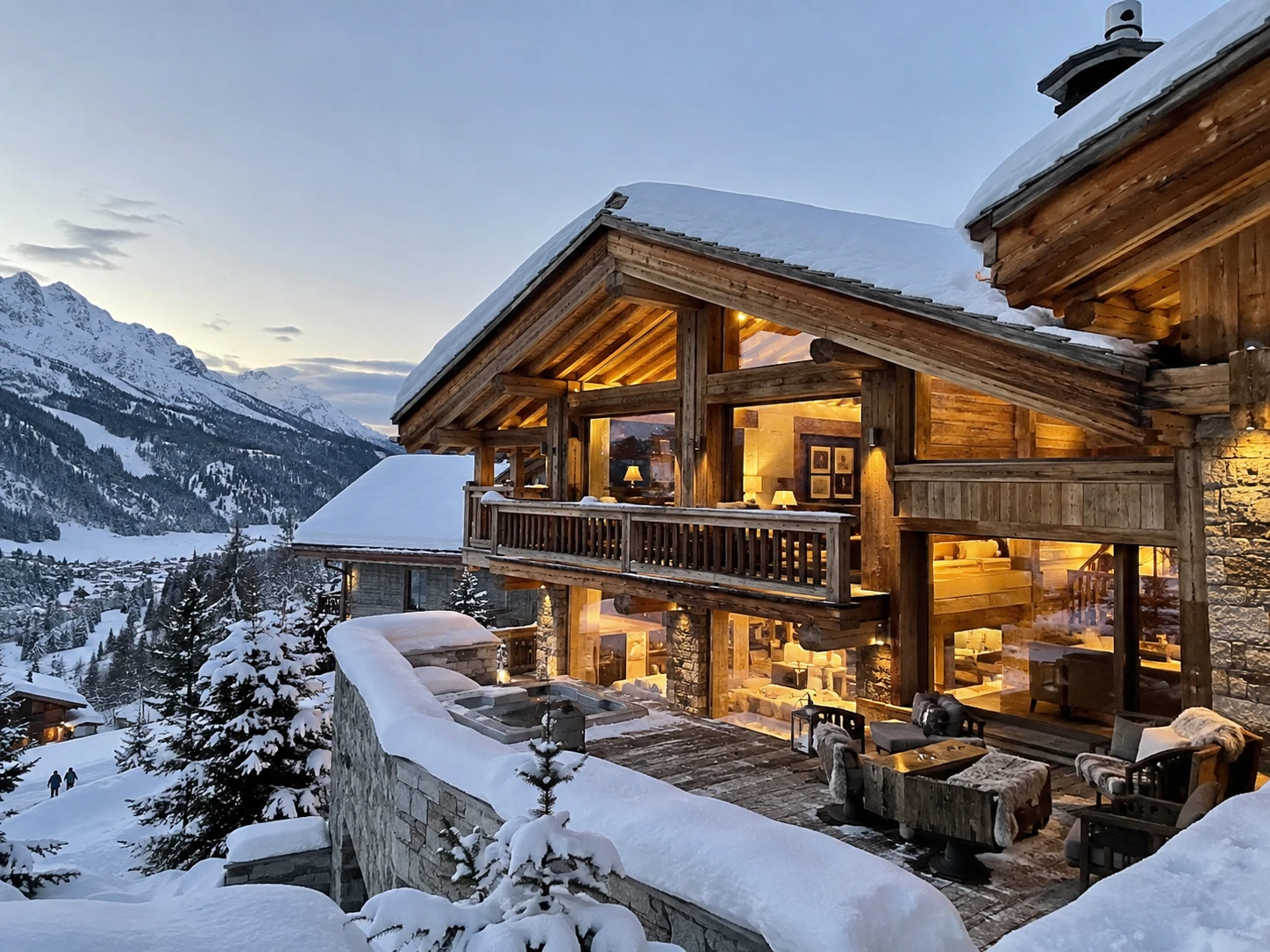
- We collect the passes before you arrive and leave them at the chalet with the equipment, which, after three and a half hours on the road from Geneva, is measured in good humour as much as in minutes.