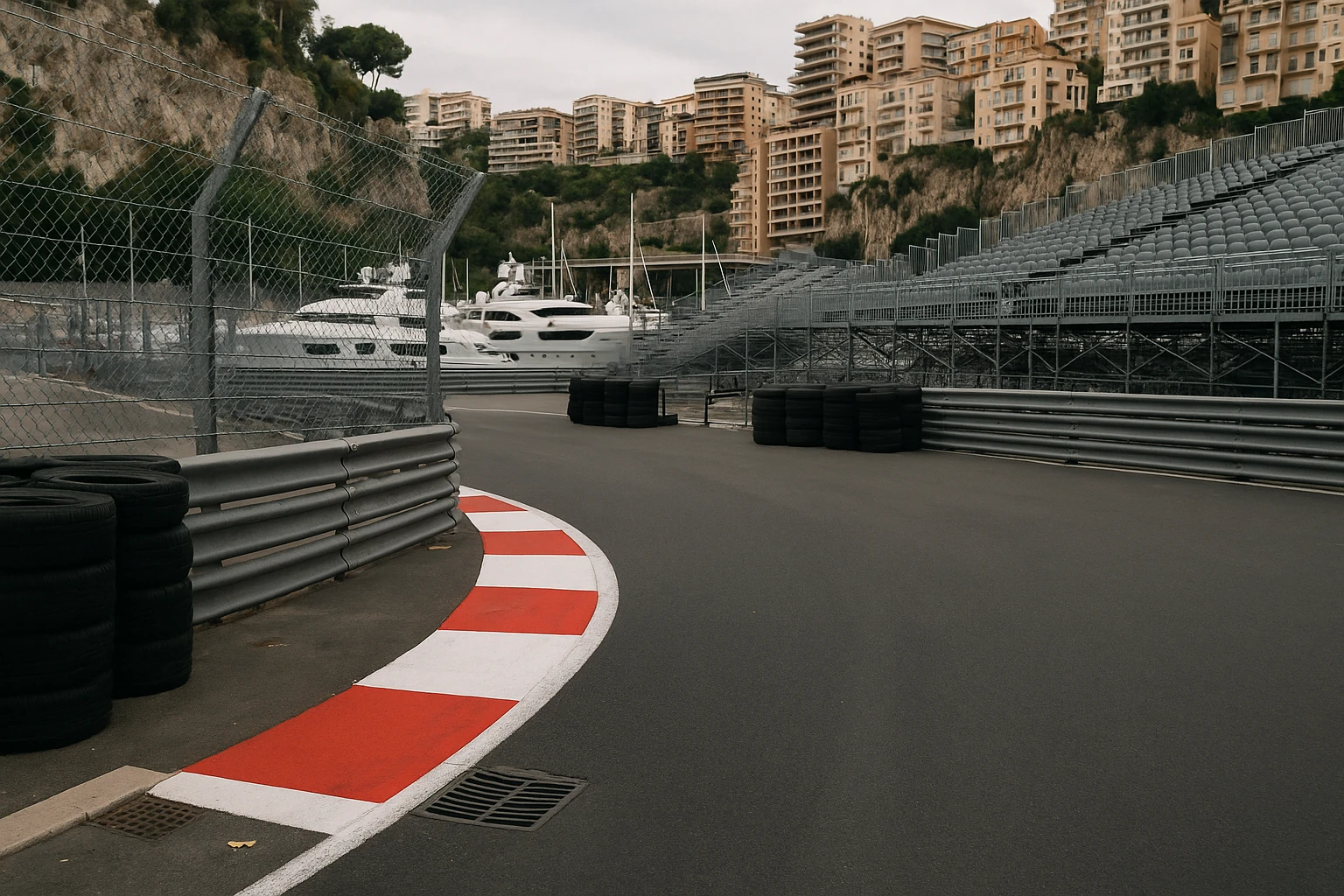
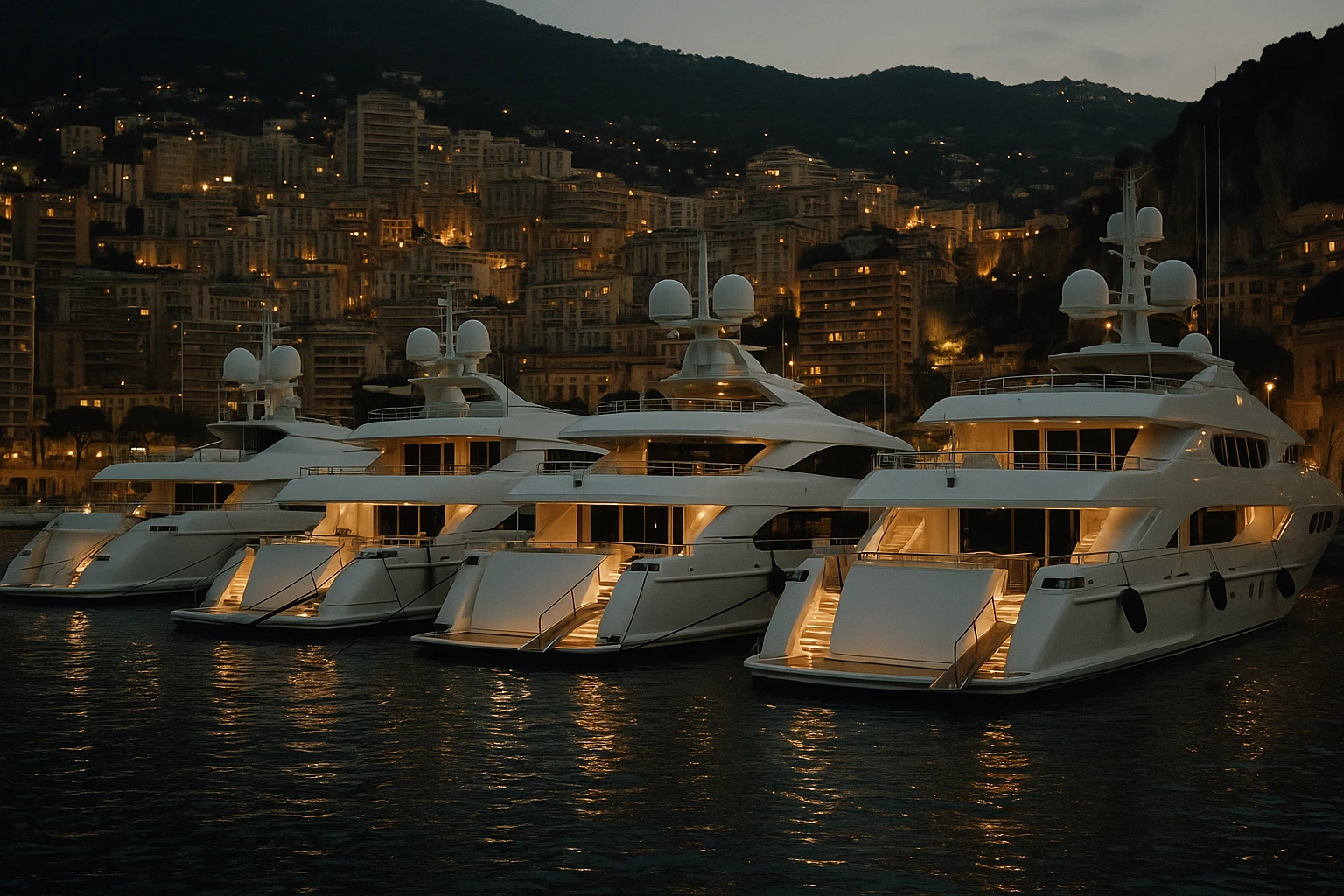
In late September, Port Hercule hosts the greatest concentration of superyachts in the world. What actually happens on board, on the quay, and why the city becomes impossible.
There are weeks when Monaco is no longer quite Monaco. The Grand Prix, of course, and in late September the Yacht Show, which to my mind is the more impressive of the two, even if it makes far less noise. The 2026 edition runs from 23 to 26 September at Port Hercule, 10:00am to 6:30pm, closing at 6:00pm on the Saturday.
Port Hercule empties of its usual occupants a few days beforehand, and fills with thirty-, fifty-, eighty-metre vessels moored side by side along the full length of the quays. You walk between hulls the height of a building. Even for someone who works with yachts all year, the first time is striking.
What it actually is
One has to be clear about the nature of the event: it isn’t a party, it’s a trade show. The Monaco Yacht Show is the superyacht industry’s professional gathering: shipyards, brokers, architects, suppliers, owners and future owners. You come to view boats and to talk about them seriously.
That said, the social life orbiting it is considerable, and that’s often what interests my clients: parties on board, private dinners in the principality’s hotels, and a density of invitations the city sees only in May the rest of the year.
Getting in
- Entry to the show is ticketed and needs preparing: passes are bought ahead, and some areas remain reserved for exhibitors’ guests.
- Viewing a particular yacht isn’t done by turning up at the passerelle. It goes through the broker or the yard, by appointment, and a request made two days beforehand has little chance.
- Parties on board are a matter of invitation, not ticketing. That’s the part where my job is mostly knowing who’s hosting, and knowing early.
- If your aim is simply to see the spectacle, the public quays around the port already give a remarkable view, free of charge.
What the week does to the city
This is the practical point nobody anticipates. Monaco fits into two square kilometres, and the show occupies its heart. The result: traffic deteriorates sharply, hotels charge peak rates and fill months ahead, evening tables are taken, and the general mood is that of a city permanently on show.
Two pieces of advice I give systematically. First, if you’re coming for the show, stay outside it and be driven: Saint-Jean-Cap-Ferrat, Èze and Roquebrune are fifteen or twenty minutes away and you’ll sleep better. Second, book your dinners before your tickets. It sounds absurd; it’s nonetheless the order that stops you eating anywhere all week.
The other way to do the week
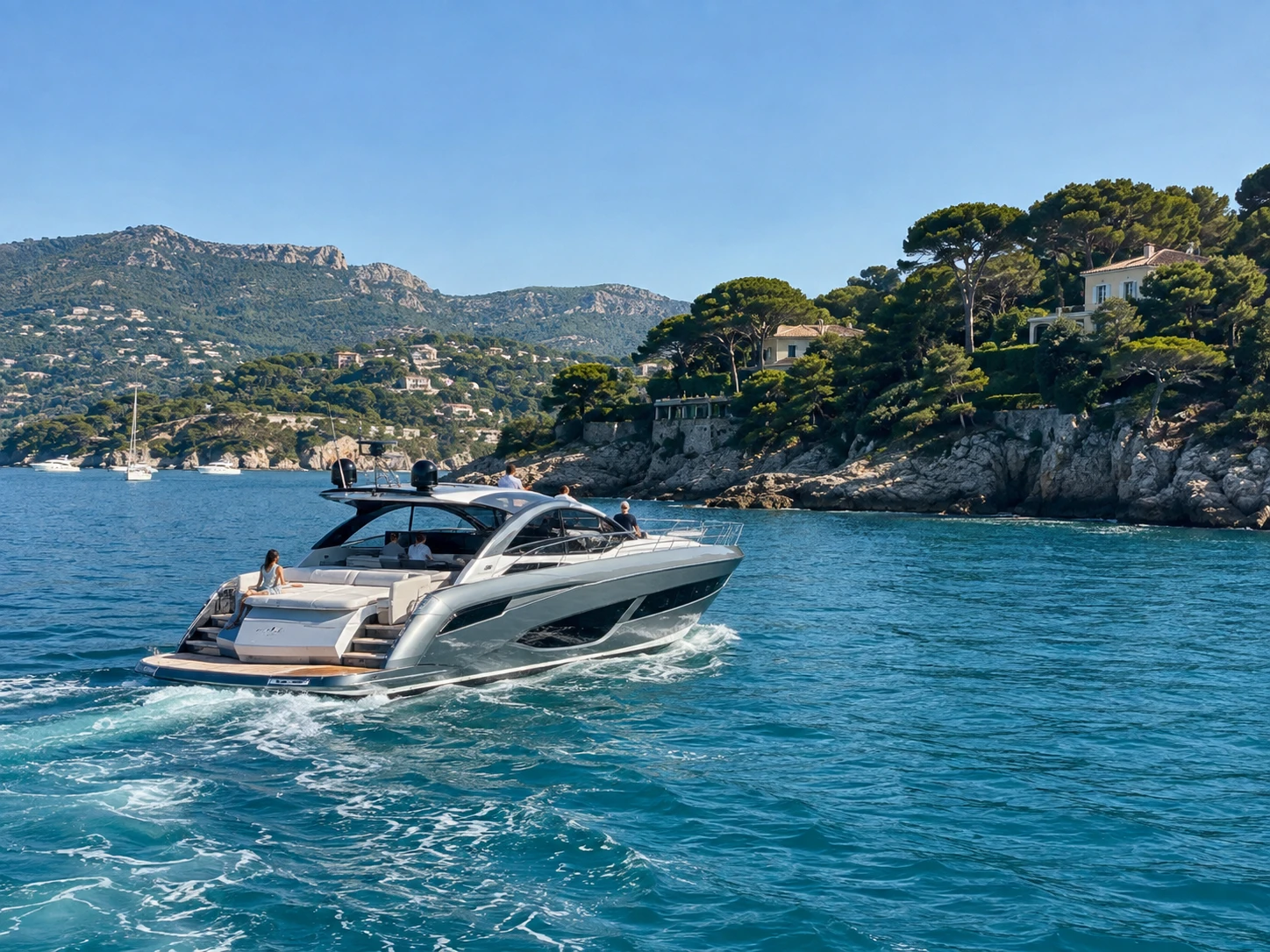
The one I prefer, and increasingly suggest: don’t sleep in Monaco at all, and arrive from the sea. You charter a boat for the day, run along the coast from Saint-Jean-Cap-Ferrat or Cannes, and discover the port from outside before entering it. It’s the best view of the event, very few people have it, and it avoids the traffic problem entirely.
And for those coming mainly for the atmosphere with no intention of buying a boat: the week after the show is delightful. The city empties, rates come down, the late-September light is the finest of the year on the Riviera, and every table is available. It’s the window I recommend to clients with no business at a trade fair.