Val d’Isère’s off-piste is among the finest in Europe. Heliskiing in France isn’t what you think, and here’s how the rule is legally worked around.
Let’s start with the question I’m asked every winter, and the answer that always surprises: no, you don’t heliski in France the way you do in Italy, Switzerland or Canada. Dropping skiers by helicopter in the mountains for leisure is prohibited on French territory. It isn’t a matter of resort, budget or connections: it’s the law.
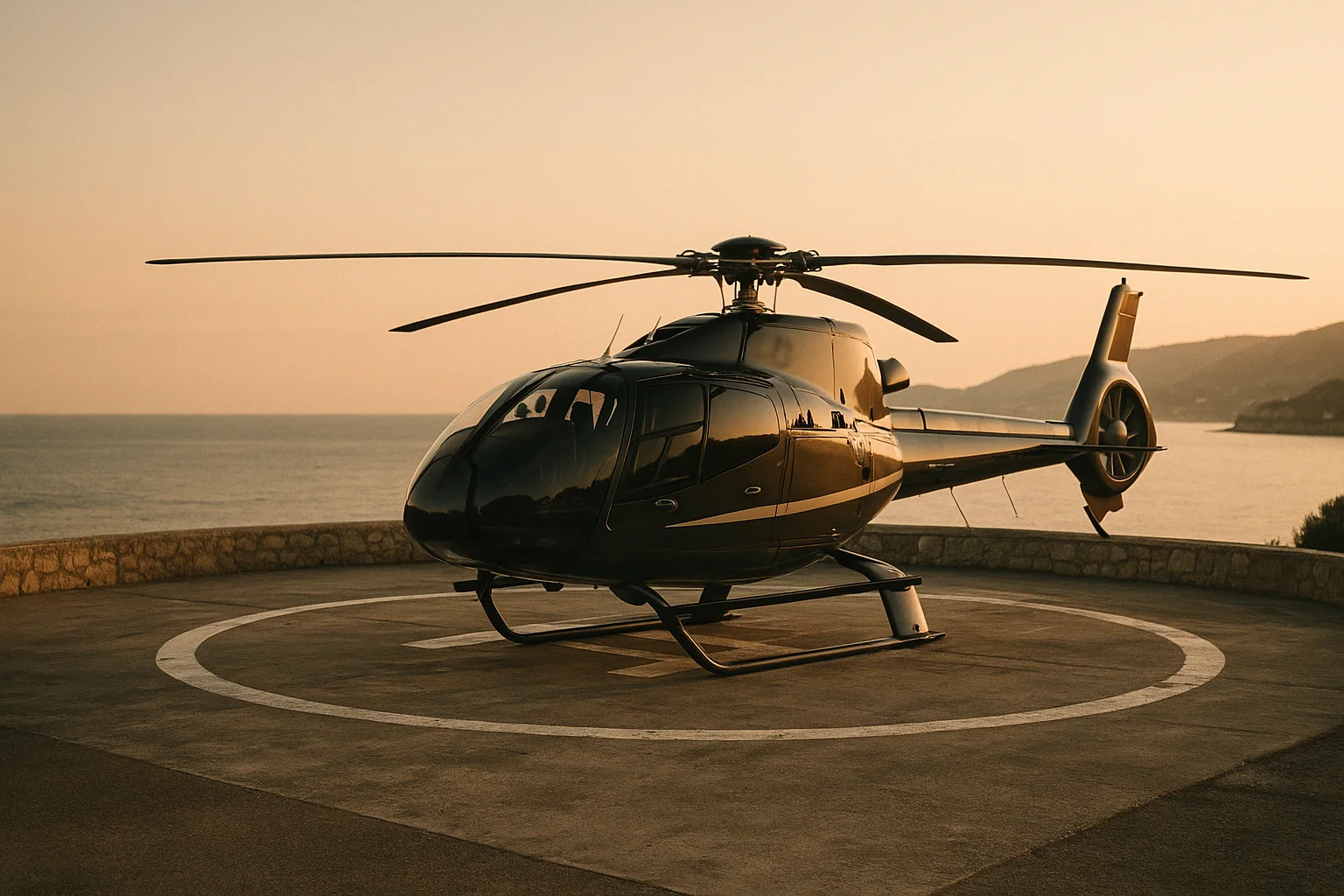
What does exist, and what I arrange regularly, is heli-pickup. You ski a wild descent down to a low point, and the helicopter collects you at the end and brings you back. The climb is done on lifts and skins, the drop-off happens elsewhere, and the experience, believe me, has lost nothing.
The other solution, the one I most often suggest to clients set on a genuine drop-off: cross the border. From the Tarentaise, the Italian Aosta Valley is within reach, and there heliskiing is entirely legal. It takes preparation, it takes the day, and it’s worth the trip.
Valgrisenche: the real answer to the question
In practice, the valley I send clients to is Valgrisenche. It’s one of the largest heliski areas in the Aosta Valley, a border away from Val d’Isère, and we work with an operator who collects clients directly from the resort, meeting points are less than thirty minutes’ drive away. You leave after breakfast, you ski in Italy, and you are back for dinner in Val d’Isère.
Drop-offs are above 3,000 metres, up to 3,408 metres on some zones, for descents of 1,000 to 2,200 metres of vertical, among the longest in the Alps. A UIAGM mountain guide supervises the day as a matter of course, and the safety equipment (transceiver, shovel, probe, harness) is provided. The season runs from December to May.
Indicative rates noted in August 2026, excluding guiding and Italian taxes, paid directly to the operator. Weekend packages combining several days also exist. I confirm the exact rate and availability at the time of enquiry, helicopter slots are limited and go early in February.
Why Val d’Isère, specifically
Because it’s one of the rare places in the Alps where you don’t need a helicopter. The area is high, vast, and gives ski-in access to routes other resorts charge a fortune in rotations to reach.
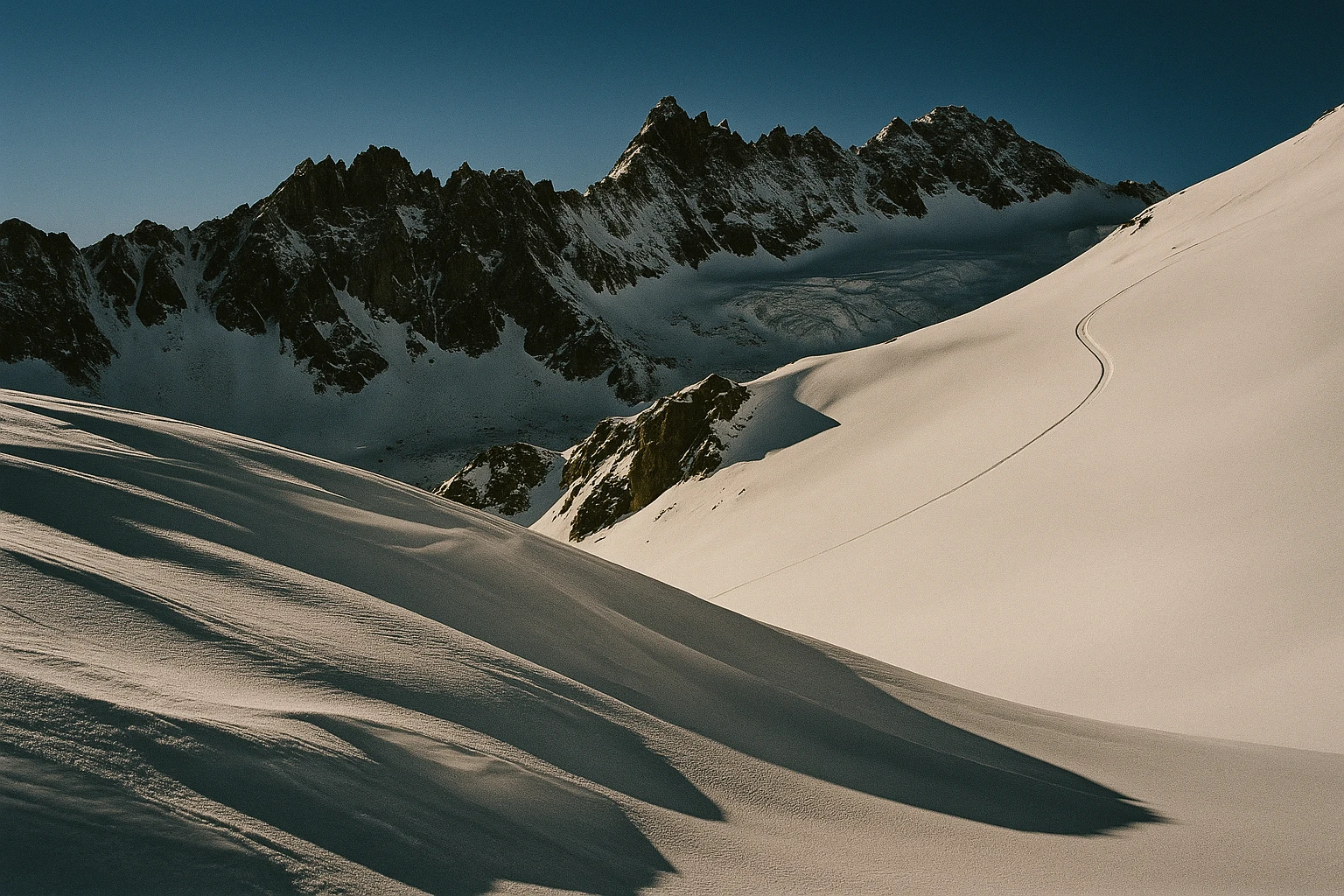
Le Fornet and the Pissaillas glacier sector hold their snow late into the season; the Col de l’Iseran opens onto immense terrain; and the whole area, between Val d’Isère and Tignes, is riddled with routes that start three metres from a groomed piste. Which is precisely what makes it dangerous for anyone venturing out alone.
The guide isn’t optional
I’m going to be very direct, because this is the one subject in this journal where I don’t hedge. Off-piste without a mountain guide, in Val d’Isère, is a bad decision. Not a calculated risk: a bad decision.
The reason is simple: the terrain changes every day. A route that was perfect on Tuesday can be scoured or dangerously loaded by Thursday, and you can’t see it from the chairlift. A guide reads the snowpack, knows the aspect of every slope given the last three days’ wind, and above all knows when to turn back, that’s the skill that matters, and the only one you can’t improvise.
- Safety equipment (transceiver, shovel, probe) isn’t negotiable, and nor is knowing how to use it. A search is learned in a morning; I arrange that morning.
- A backpack airbag is easy to hire and I recommend one systematically.
- Group size matters: four skiers per guide at most if you actually want to ski, not eight people of differing levels.
- Real level matters more than stated level. Skiing every black run on the mountain does not mean you can ski thirty centimetres of heavy powder on a 35-degree slope.
When to come for it
January and February for cold, light snow, with the drawback of short days and real cold at altitude. March is my favourite window: the days lengthen, the snowpack has often stabilised, and you ski faces that were unthinkable six weeks earlier. April, on the glacier, gives spring snow that works beautifully in the morning and is worthless by two o’clock, hence very early starts.