Three and a half hours up the Tarentaise, a Saturday that can derail everything, and a railway station too few people use: how I actually organise the arrival.
Val d’Isère has to be earned. It’s one of the finest resorts in the Alps, with a high-altitude ski area that holds its snow when others give up, but it sits right at the far end of the Tarentaise valley, and nobody arrives there by accident. Better to know that before booking your flights than to discover it on the road.
Geneva: the main gateway
Around two hundred and twenty kilometres, and three to three and a half hours in normal conditions. Motorway to Albertville, then up the Tarentaise through Moûtiers and Bourg-Saint-Maurice, before the final climb to the resort.
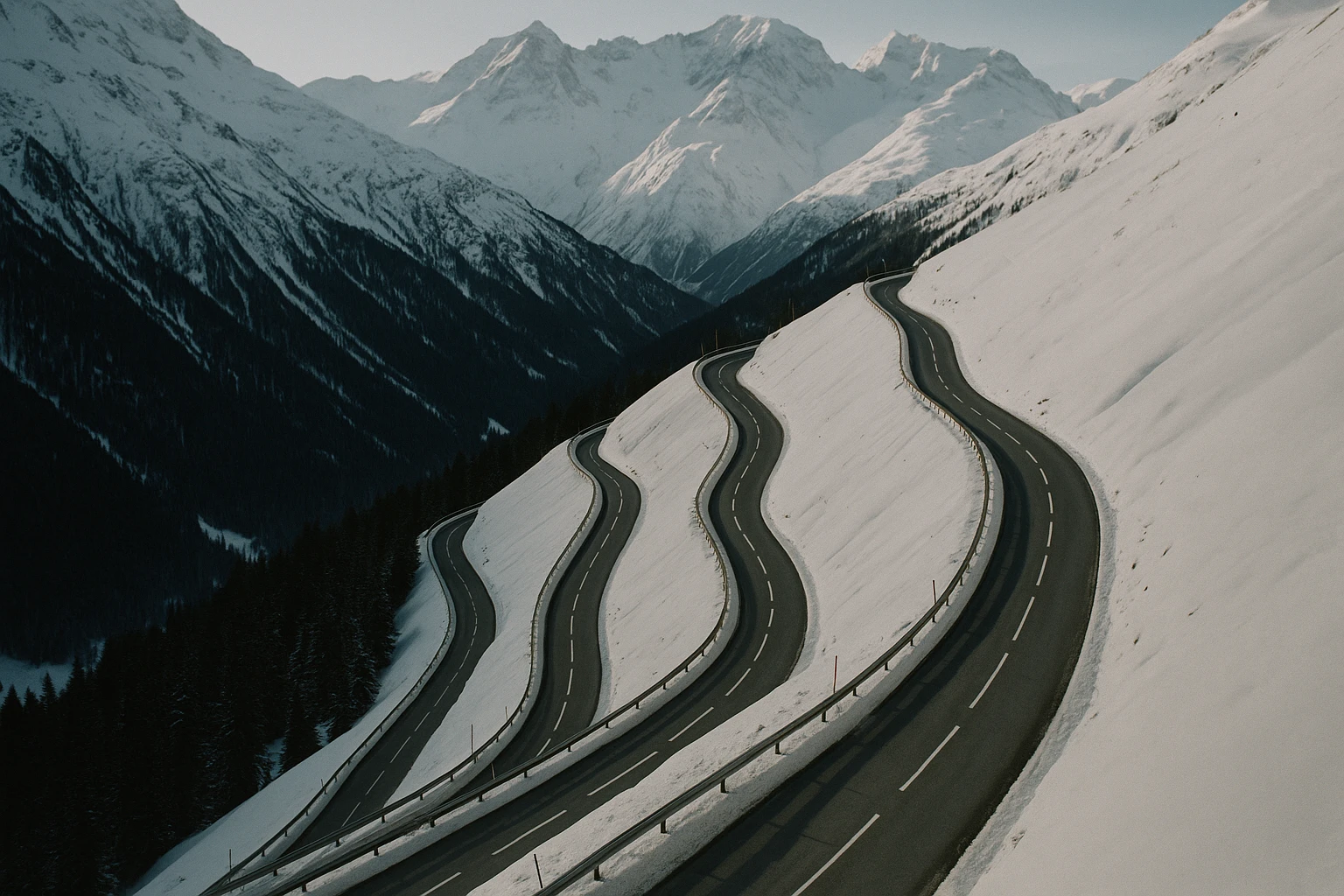
The last stretch is the sensitive part: a mountain road, tight bends, and traffic that deteriorates very quickly as soon as it snows or the resorts change over. To be fair, it’s also one of the finest arrivals in the Alps, though not with tired children in the back.
Lyon, Chambéry, Grenoble: the serious alternatives
Unlike Megève, where Geneva almost always wins, Val d’Isère genuinely repays comparison. Lyon-Saint-Exupéry serves the Tarentaise well, avoids the Geneva bottleneck entirely and shows comparable drive times, sometimes better on a saturated day. For a private flight, Chambéry is the closest runway to the valley, and Grenoble remains an option depending on slots.
My instinct, when a client gives me their dates before their flights: I choose the airport according to the day of arrival, not the other way round. For Val d’Isère, it’s the only order that produces good results.
The train: the option too few people consider
Val d’Isère has an advantage Megève doesn’t: a proper valley station at Bourg-Saint-Maurice, the end of the line, some thirty minutes’ drive from the resort. Direct services reach it from Paris and from London in season.
I suggest it more and more, for a very concrete reason: on a Saturday in February, the train doesn’t suffer the jams that paralyse the valley. You step off at Bourg-Saint-Maurice, a car is waiting, and you’re at the chalet in half an hour while the road below is at a standstill. It also happens to be the most civilised way to travel with a lot of luggage.
The helicopter: 35 minutes, landing at La Daille
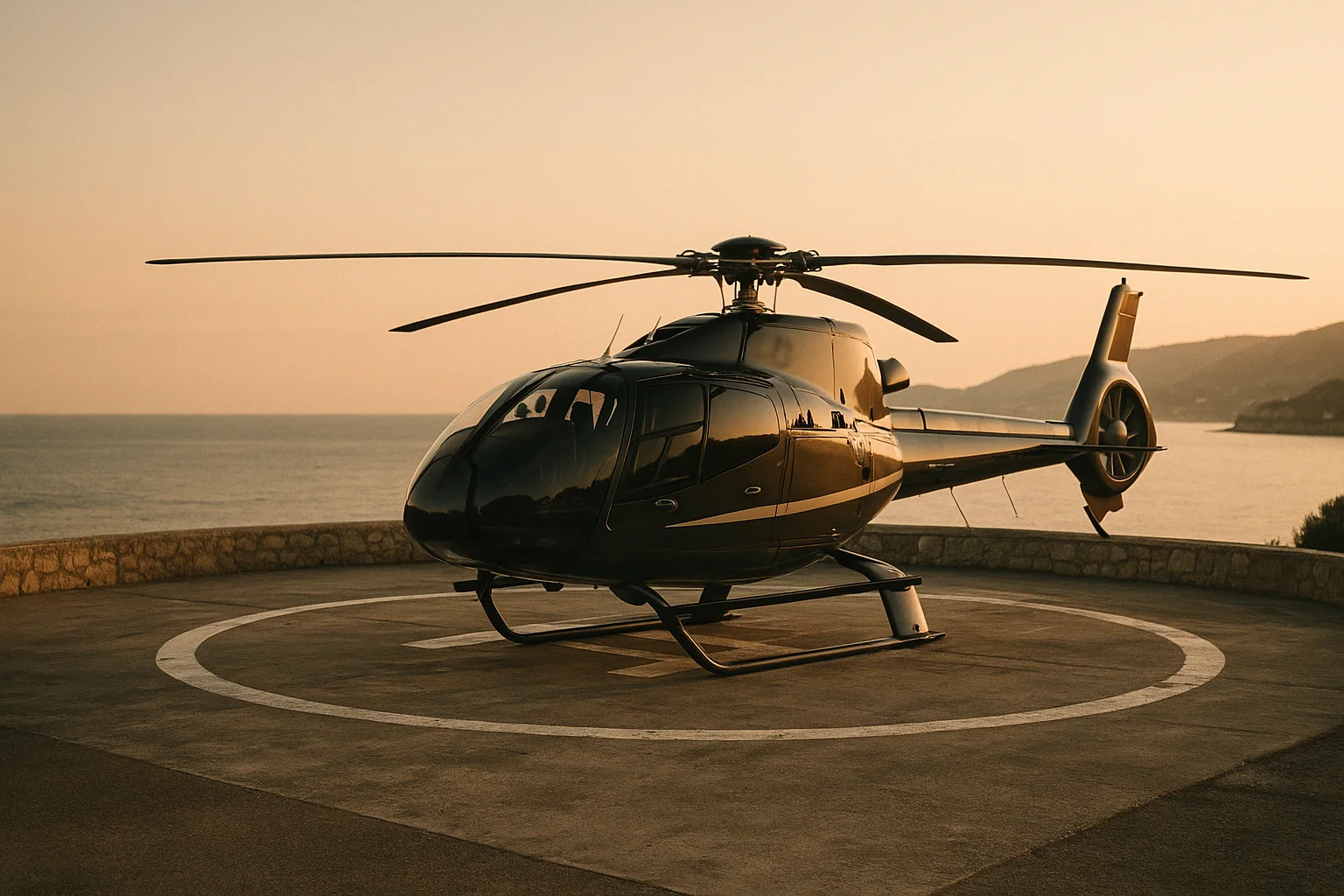
Let’s be precise, because a lot of loose talk circulates on this. Val d’Isère does have its heliport: it sits at La Daille, at the entrance to the resort, and that is where the aircraft land. A driver collects you there and you are at the chalet within minutes, nothing like a drop-off at the bottom of the valley.
From Geneva, reckon on 35 minutes of flight against three hours by road, and up to five on a school-holiday Saturday. It is the only way to recover a whole day from a badly placed arrival. There is a second, high-altitude landing site at Tête de Solaise, but its use is seasonal and currently restricted: in practice, you land at La Daille. I always plan a road fallback: helicopters fly by day and by sight, and mountain weather decides, not us.
Saturday, the real subject
In the Tarentaise, Saturday is not a day like any other: it’s changeover day for every big resort in the valley. They leave in the morning, the next lot arrive in the afternoon, and all of it uses the same road over a few dozen kilometres. Five-hour journeys are not unusual, and I’ve seen worse.
- Arrive on Sunday or Friday evening if your rental allows. For Val d’Isère, it’s the advice that changes the most.
- If you must arrive on a Saturday, take the train to Bourg-Saint-Maurice, or aim to be in very early in the morning.
- Plan nothing for the evening of arrival: no table, no ski fitting. You’ll be late.
- Have equipment delivered and fitted at the chalet, and collect your lift passes before you arrive rather than in the Sunday-morning queue.
- Bring food and drink for the car. Over three and a half hours with children, that isn’t a luxury, it’s a necessity.
The car, in the Tarentaise
From 1 November to 31 March, vehicles driving in the listed mountain communes must be equipped, winter tyres or removable devices. On the final climb to Val d’Isère, that isn’t administrative box-ticking: a badly shod vehicle stops, and blocks everyone behind it.
The rest comes down to the driver. On this road I only work with drivers who do it all season: they know where the snow lies, what time the valley clogs up, and when it’s better to stop for twenty minutes than press on. That’s the difference between a long journey and a miserable one.