Village, Les Parcs, Ramatuelle, the Gassin hills: which Saint-Tropez area to choose for the way you travel.
In Saint-Tropez, the right neighbourhood depends less on budget than on how you travel, and it’s the first thing I discuss with my clients. Do you want to walk to the port, sleep in absolute quiet, or have Pampelonne five minutes away? You can’t have all three, and that’s fine: each area has a genuine character.
The village
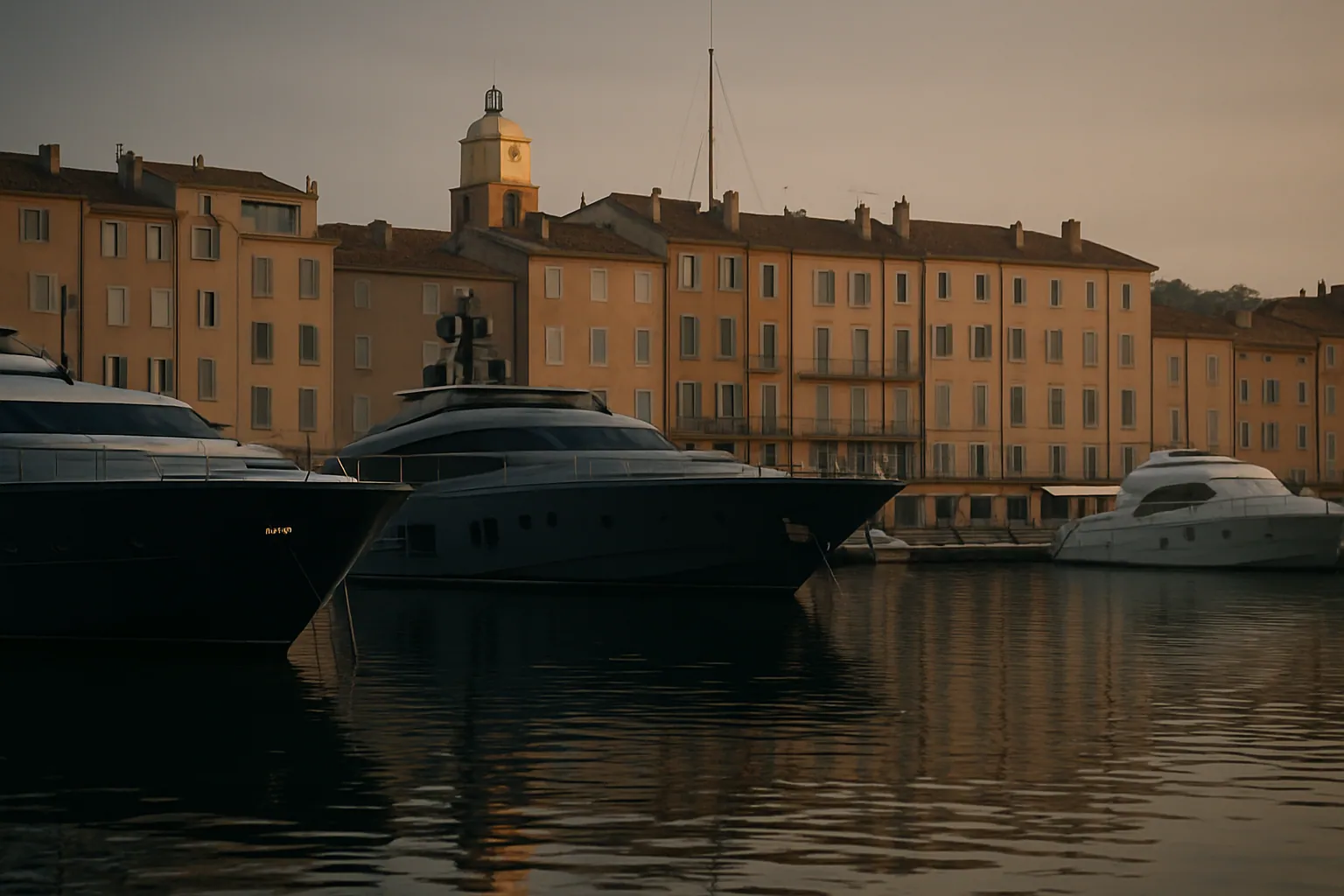
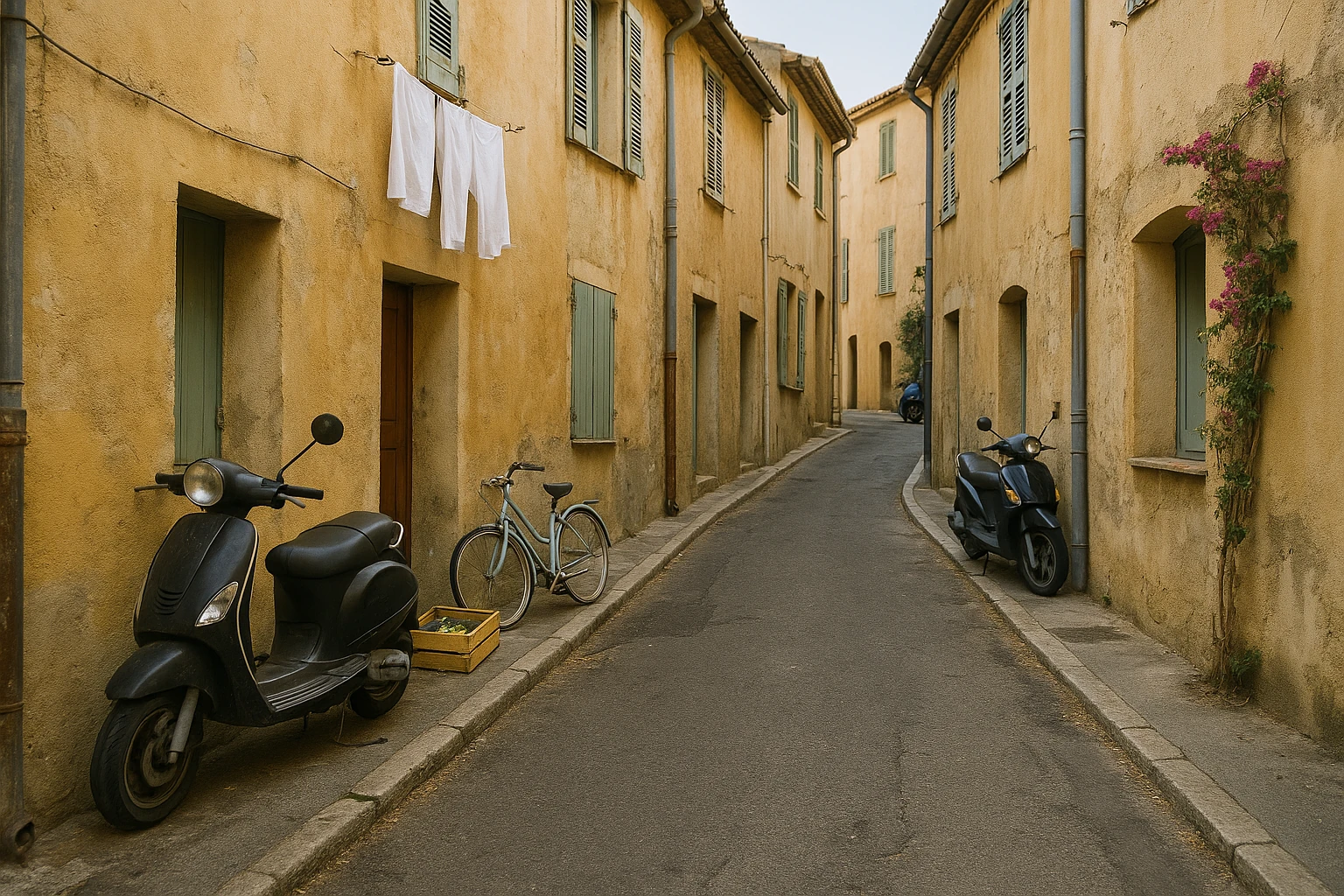
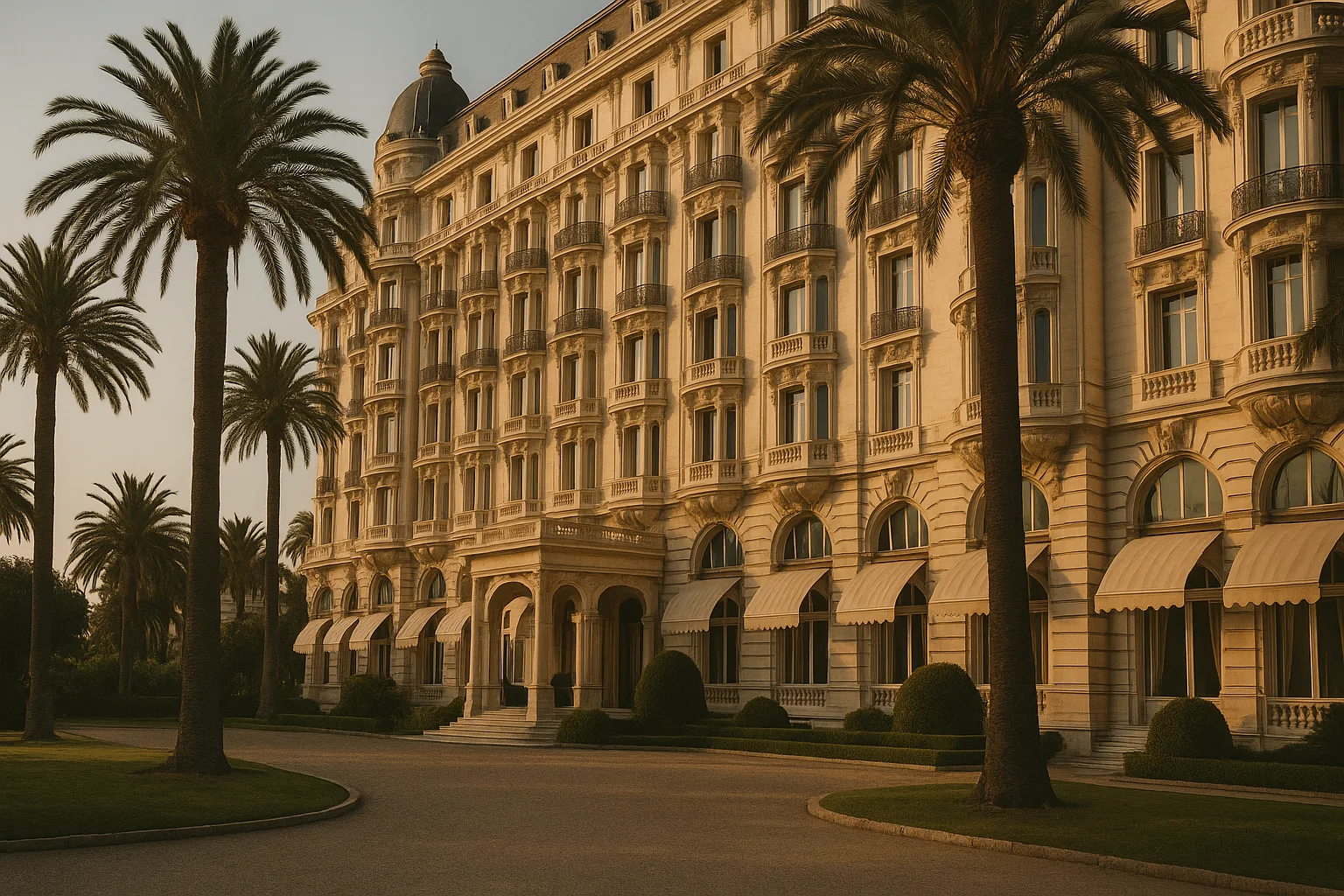
To live the buzz on foot: the port, the lanes, Place des Lices, La Ponche. Ideal for couples and short stays who want everything within walking distance, and the only option where you can genuinely do without a car.
The price is twofold: noise, real in July and August until late, and space, inevitably limited. The finest village houses have no garden. My advice: if you stay in the village, take an address away from the nightlife streets, and always ask which way the bedrooms face.
Les Parcs de Saint-Tropez
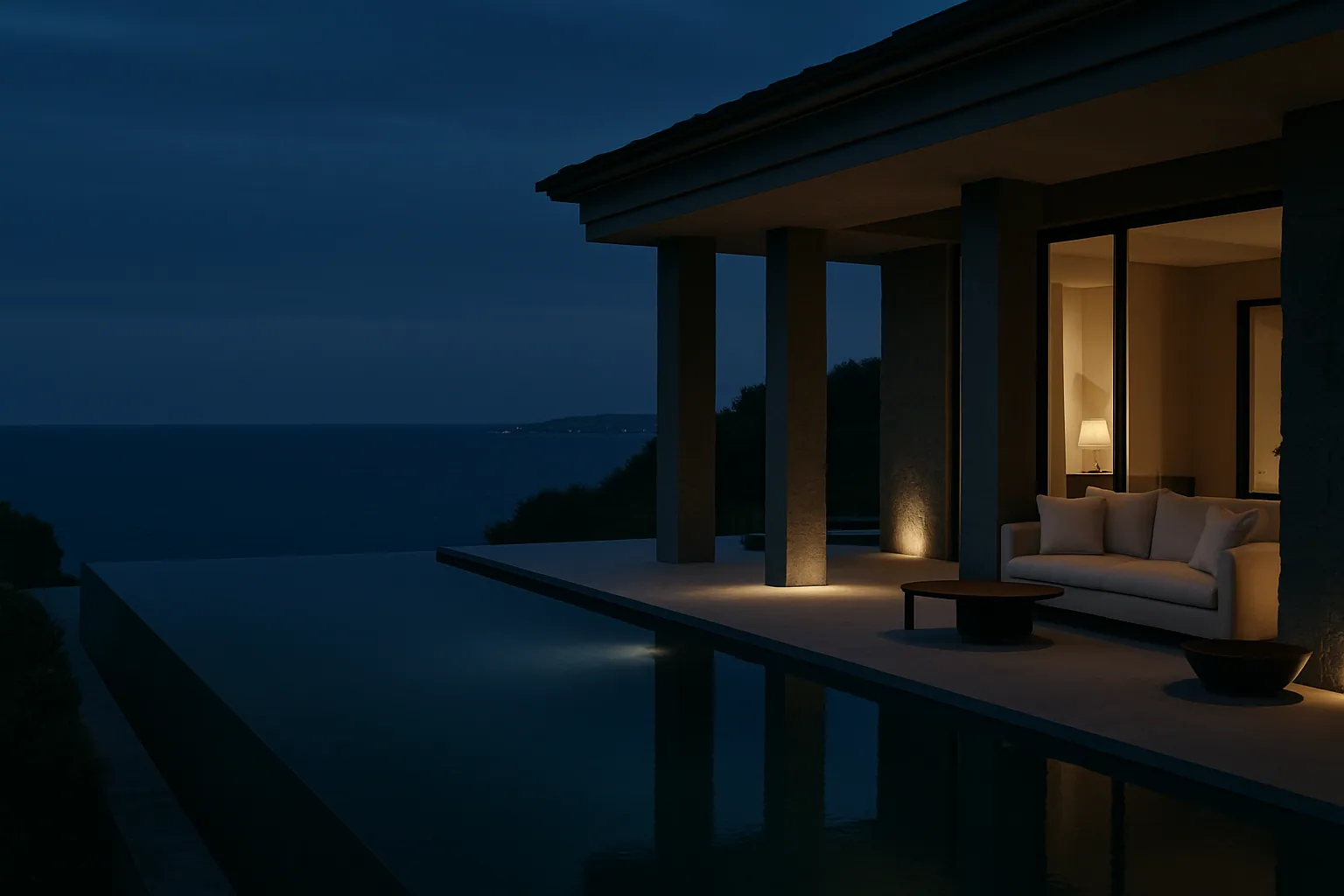
The neighbourhood of confidential villas: a gated, guarded estate, absolute quiet, minutes from the village. It’s the choice of families and groups seeking discretion without going far, and the only place on the peninsula where you get both space and proximity.
In exchange, it’s the most sought-after and most expensive sector per square metre, and the fine houses re-book year on year with the same families. For August, it’s decided in February.
Ramatuelle & Pampelonne
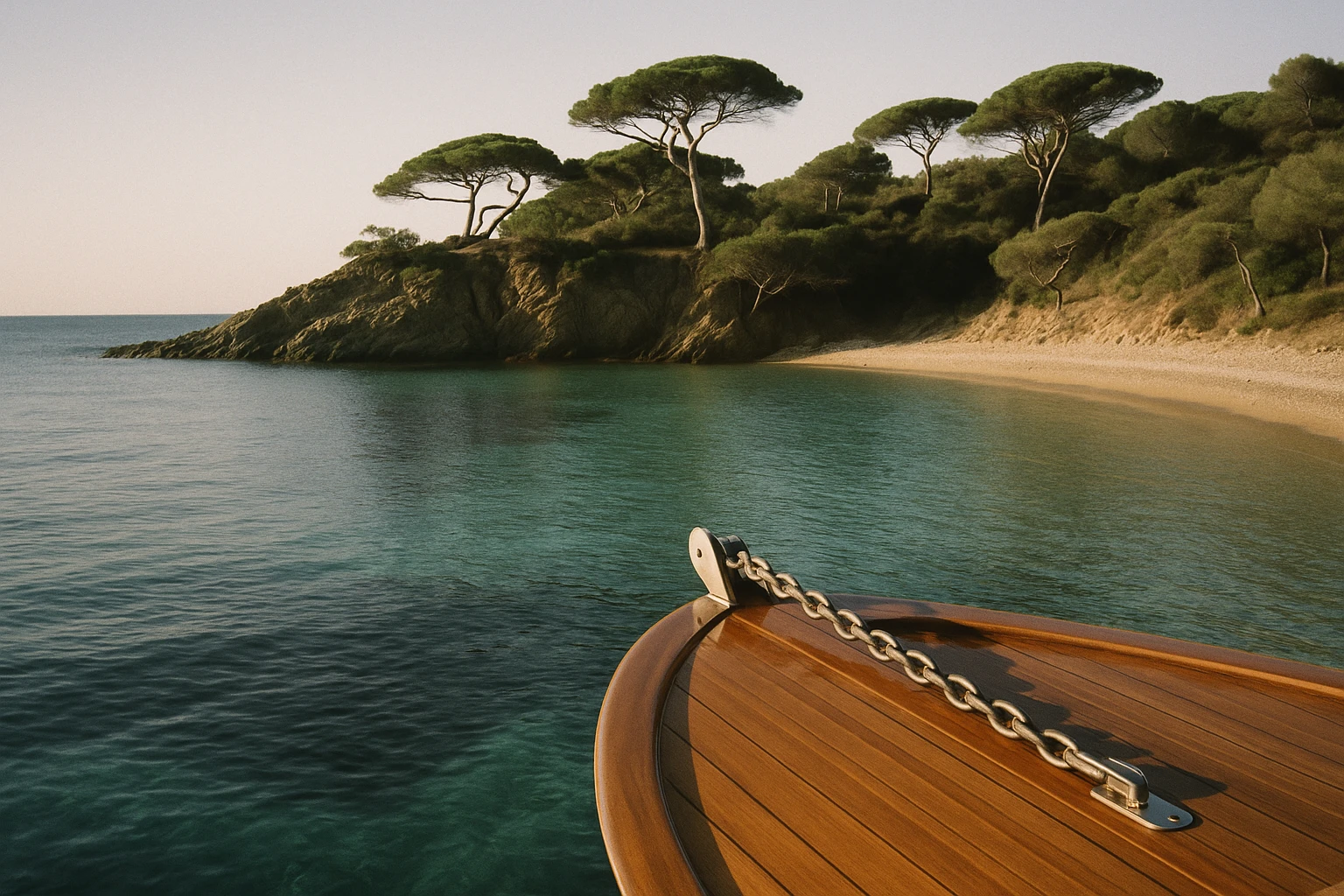
To live at the rhythm of the beaches: the villas of Ramatuelle put Pampelonne and its beach clubs minutes away. Closer to the sea, further from the bustle of the port, and exactly what most families who come back every year are after.
The point people discover on arrival: the peninsula roads are narrow, poorly lit and have no parking. A driver isn’t a comfort here, it’s what makes the stay workable, especially coming back from dinner.
Gassin & the heights
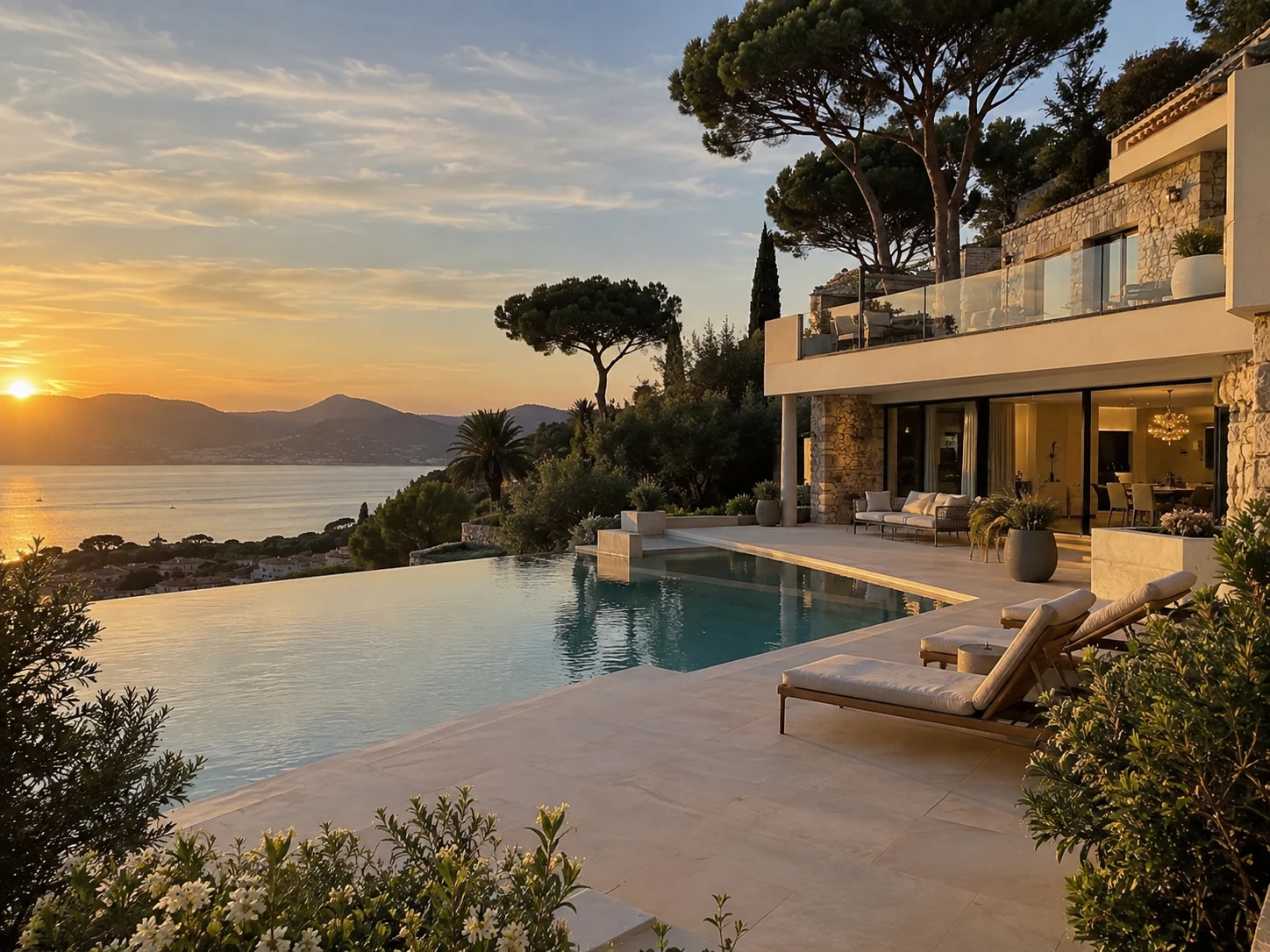
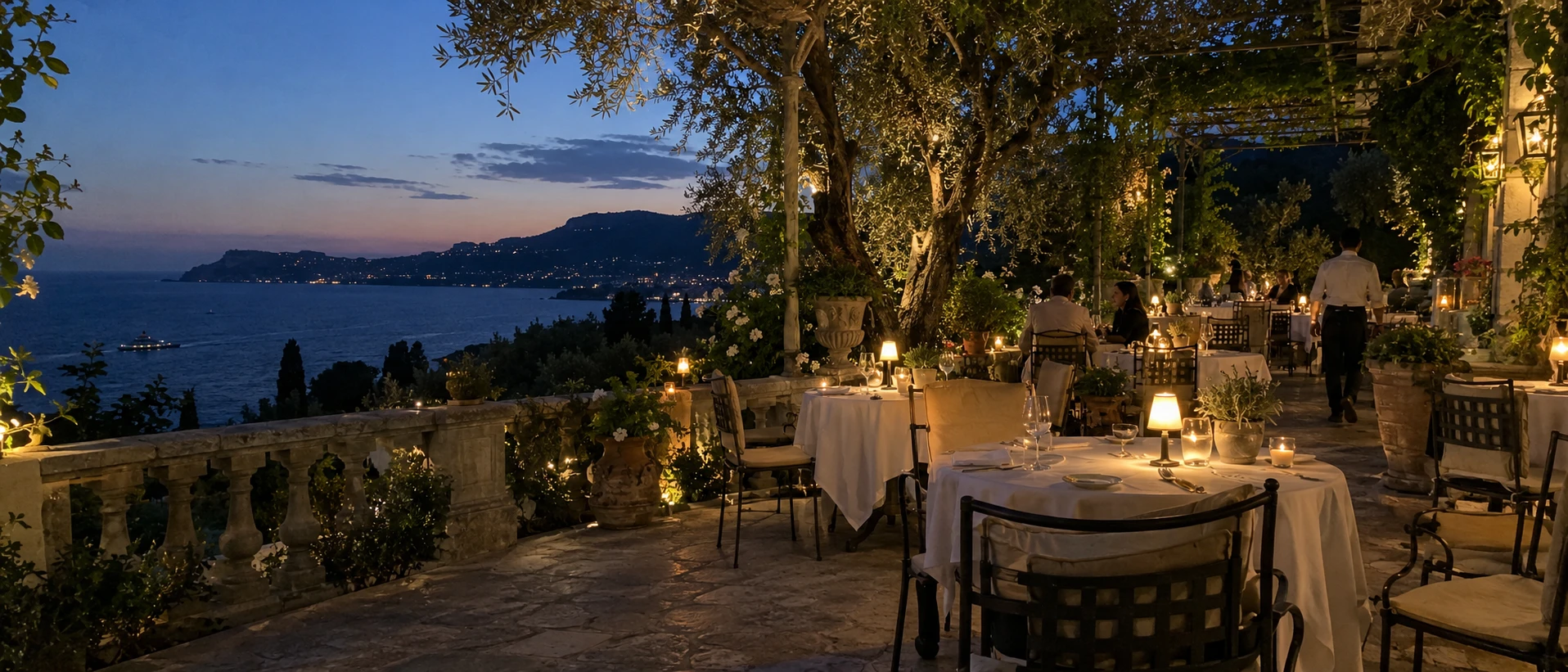
For the view and the silence: the heights offer panoramas over the gulf and a welcome coolness in August, with a short descent to the village and the beaches. It’s my personal choice, and the one I recommend to those who come to rest rather than to be seen.
The trade-off is simple to state: ten to fifteen minutes more driving, on every outing. Over a week that’s about twenty journeys. Up to you whether the view is worth it, for many of my clients, it is.
Villa or hotel?
The private villa offers space, privacy and staff for a group or a family; the hotel offers service, facilities and a total absence of logistics. Many of my clients combine the two: a villa for the stay, with access to the beaches, spas and tables of partner palaces.
My rule: below four nights, the hotel nearly always wins. Beyond that, and as soon as there are children or a group, the villa regains the advantage, provided it comes with the staff. A large villa without a housekeeper or chef is a holiday home, not a luxury stay.
What I check in a villa before offering it to you
- Air conditioning, in every bedroom and not only the living room. In August it’s the first source of complaint, far ahead of everything else.
- The pool: heated or not, and above all its aspect. A pool in shade from three in the afternoon changes a family day.
- The staff genuinely included. “Serviced villa” can mean a resident chef or housekeeping every other day.
- The number of real double bedrooms, and which floor they’re on. Garden-level bedrooms are often the least pleasant.
- Parking. On the peninsula, a villa without room for three cars becomes a problem by the second day.
- What the villa permits: entertaining, bringing in an outside chef, hosting a birthday. A holiday rental does not automatically carry that right.
When to book
For July and August, the finest villas are decided between January and March, and the best ones re-book before ever being offered. For June and September, a few weeks is often enough, and those are, in my view, the two best months of the season: same water, same light, a village you can breathe in.