The legal rule everyone discovers too late, the four families of venue, the hour the music stops, and the real timeline of a wedding on the peninsula.
Let me say it straight away: I’m not a wedding planner, and I don’t pretend to be. My role in a Saint-Tropez wedding is the part nobody photographs: the guests’ accommodation, the cars, the boats, the tables on the days either side of the big one, and coordination with the planner when there is one. But from watching weddings come together here, I’ve learned exactly where they get complicated.
Here is what I tell every couple, in order, before we even talk about venues.
The legal point everyone discovers too late
In France, only the civil marriage performed at the town hall has legal force, and it must precede any religious ceremony. More to the point, the town hall isn’t free to act: to marry in a commune, at least one of the couple (or one of their parents) must have had continuous residence there for a minimum period before the banns are published. So you don’t get legally married in Saint-Tropez because you find the village pretty.
The very concrete consequence, and it’s the case for the vast majority of weddings I see here: the couple marries civilly at home, in their own country, a few days or weeks before, then holds a symbolic ceremony in Saint-Tropez, secular, religious or both. Nothing is lost: the ceremony is just as beautiful, the setting is the same, and you gain total freedom over venue and timing. But you need to know that twelve months ahead, not three.
The four families of venue
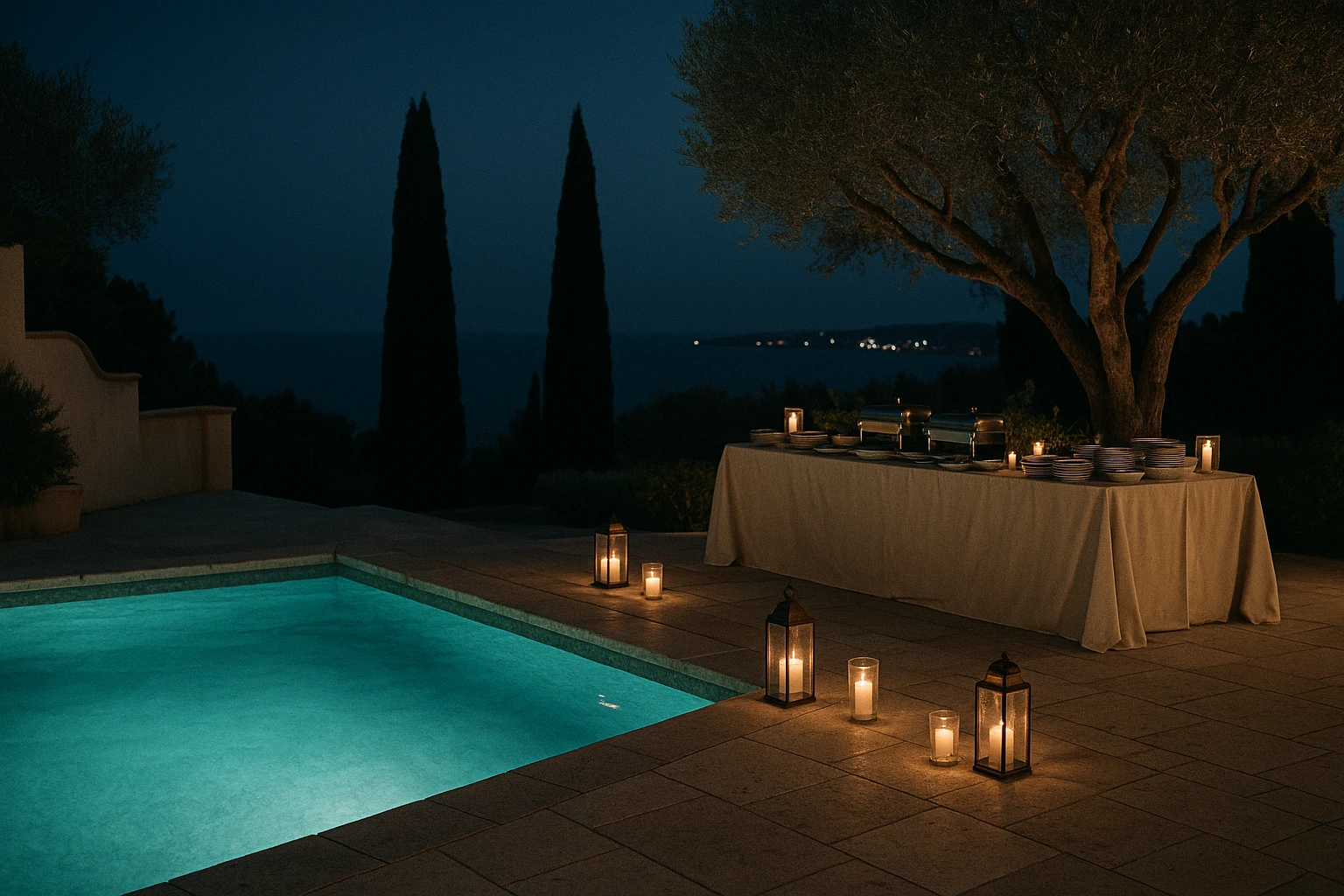
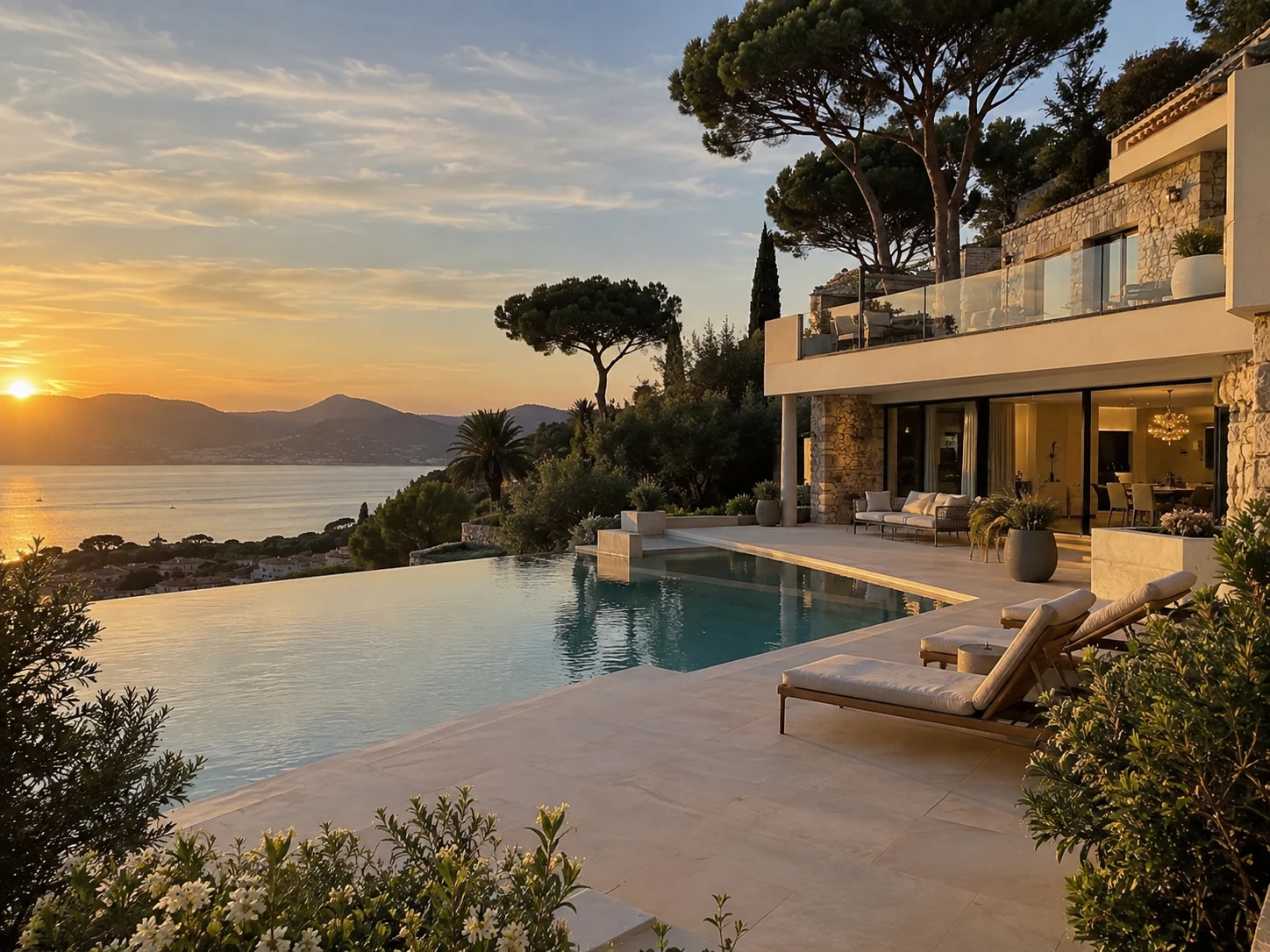
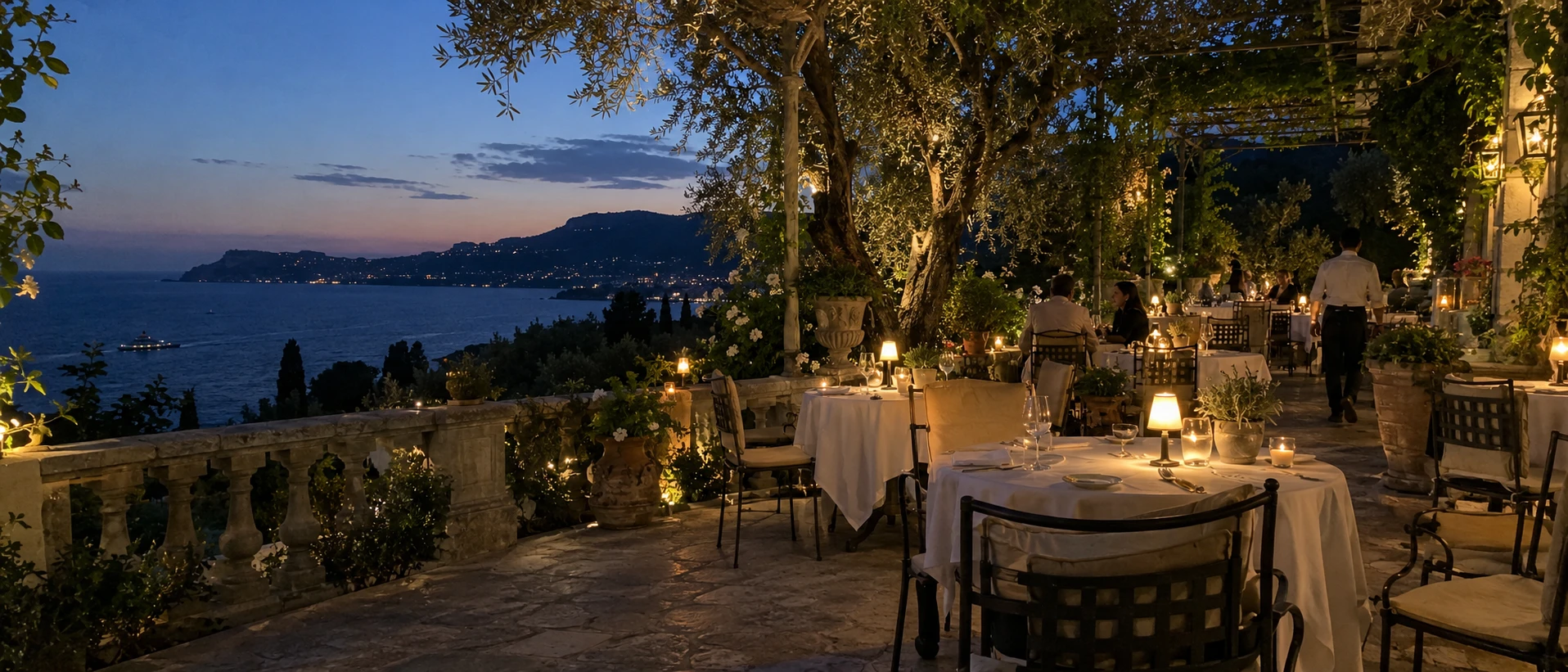
- The private villa, the most common option on the peninsula, in Ramatuelle or Gassin. Total privacy, a spectacular setting, and you stay on site. But a villa is not a reception venue: you often have to bring in the kitchen, the power, the sanitary facilities and sometimes a structure. Before signing, check without fail that the owner authorises the event and the exact number of guests permitted.
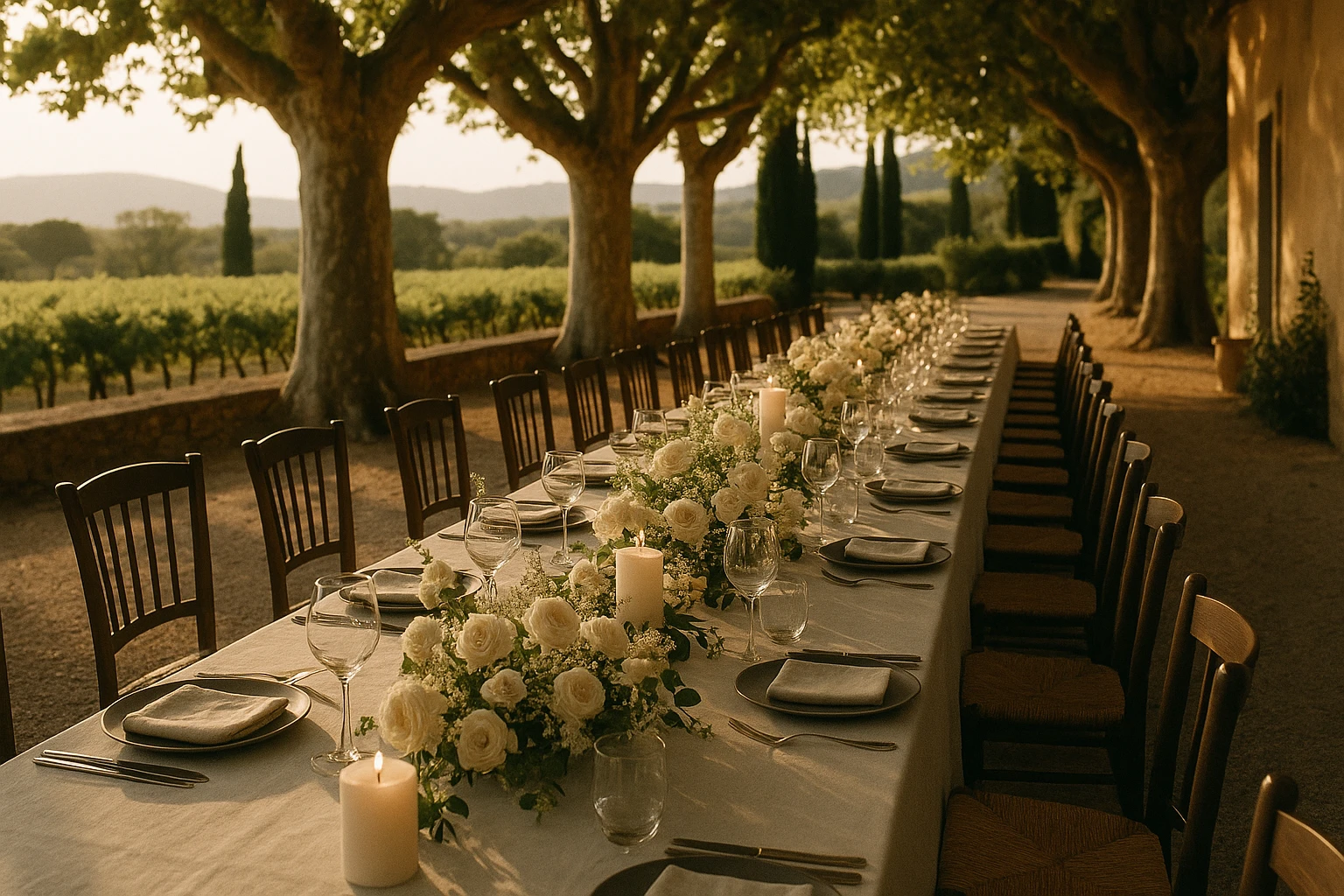
- The wine estate, my personal favourite, inland. Vines, pines, unbeatable late-afternoon light, logistics already designed for entertaining and, generally, more flexible noise rules than in a residential area. It’s also the best beauty-to-budget ratio.
- The beach or beach club, sublime for a rehearsal dinner or a next-day brunch. For the main reception I’m more reserved: sand, wind, a tide of people in peak season, and a private hire that costs a great deal in July and August.
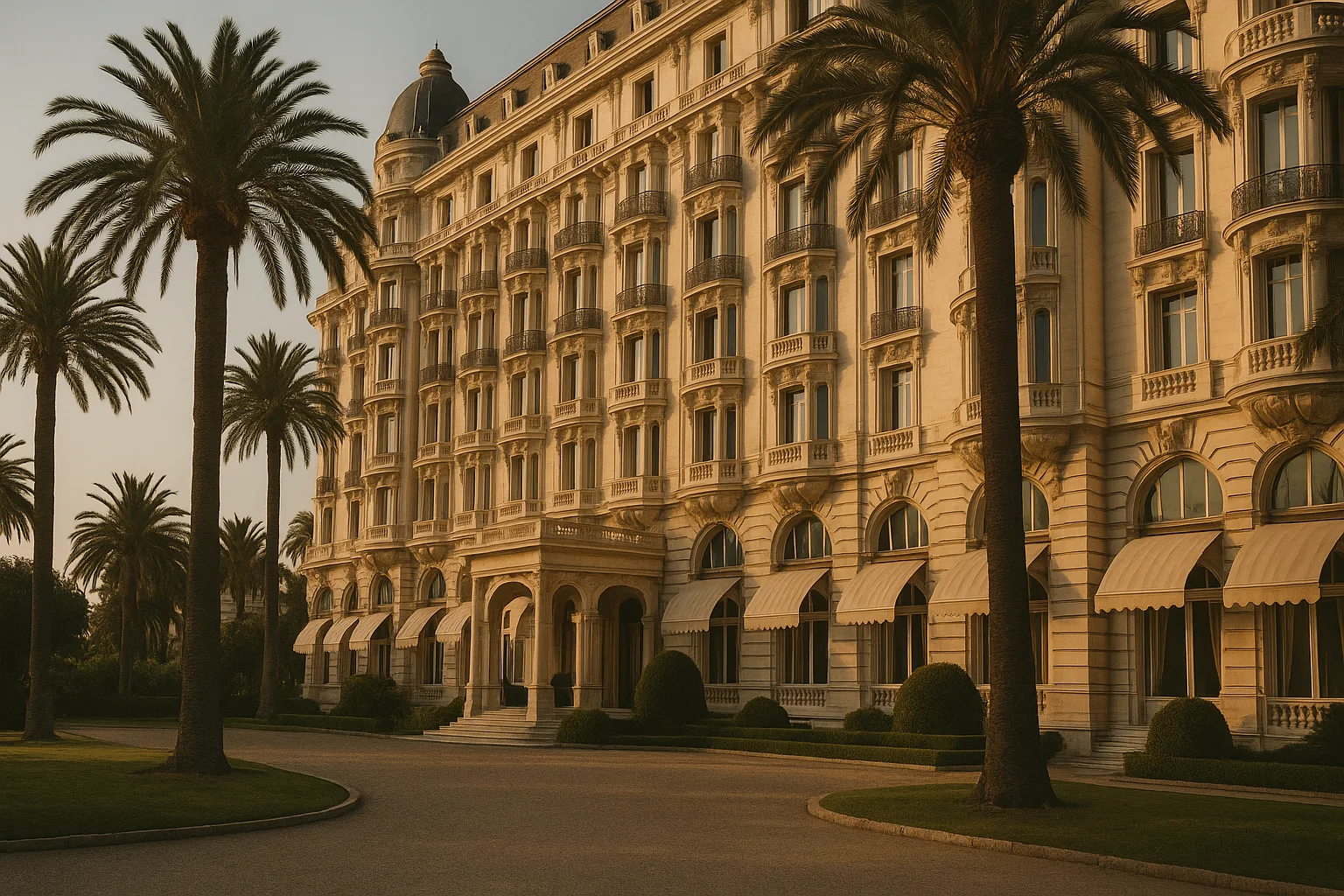
- The hotel or palace, the simplest solution by far. Everything is on site, the guests sleep on site, the team knows what it’s doing. You lose a little of a villa’s singular character, and gain a level of serenity nothing else provides.
Noise, the finish time, and the neighbours
This is the most underestimated subject of all, and the one that ruins the most late evenings. Outdoor amplified sound is governed by municipal orders that vary from commune to commune on the peninsula, with an hour beyond which amplified music must stop outside. Some estates have an enclosed room that lets you carry on indoors; many villas do not.
The question to put to the owner or the estate, word for word: what time must the music stop outside, and is there an enclosed space to carry on in? Ask it before paying a deposit. I’ve watched a magnificent reception go dark at one in the morning in front of two hundred guests who hadn’t planned on leaving so early, the only bad surprise of the whole evening, and one phone call ten months earlier would have avoided it.
The real timeline
Twelve to eighteen months for a peak-season wedding, and that isn’t supplier exaggeration: the finest villas and best estates go from one year to the next, and serious caterers close out their summer Saturdays very early.
On the date itself, my view is clear: avoid July and August if you can. The heat is heavy for an early-afternoon ceremony, traffic on the peninsula is difficult, suppliers are saturated and everything costs more. June and September offer the same light, a civilised temperature, drivable roads and available teams. Early October is still lovely, with a weather risk that becomes real.
The invisible logistics, this is where I come in
- Guest transport. The peninsula roads are narrow and parking around villas is virtually non-existent. Shuttles from a single meeting point are what make a wedding start on time.
- Accommodating the group. Spreading a hundred guests between villas, hotels and village rooms, across different budgets, takes weeks and is done far earlier than people imagine.
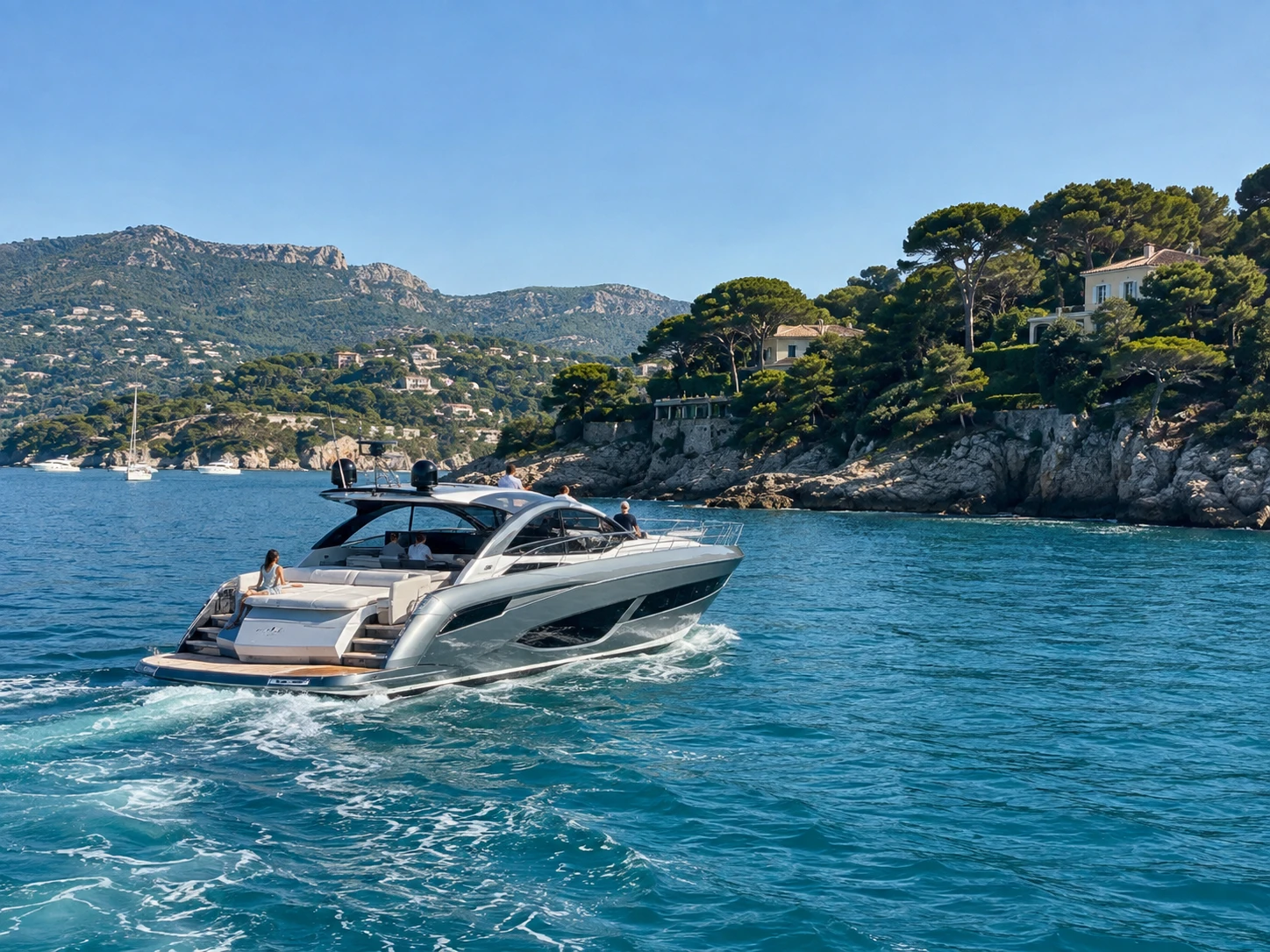
- The days before and after. The rehearsal dinner, the next-day brunch, the day at sea after that: these are what turn a wedding into a stay, and they’re the part I most often organise.
- Heat and a plan B. Shade, water, fans, and a genuine fallback for a late-summer storm, not an intention, a structure that’s been booked.
- Fireworks and drones. Subject to authorisation, and frequently refused in high summer in the Var because of fire risk. Don’t build the end of your evening on them before you have the answer in writing.
- The children. On-site childcare in the evening completely changes the parents’ night, it’s the request I’m thanked for most, and the one nobody thinks of in advance.
A word on budget
I won’t give you a figure, because no honest figure exists at this stage: between an equipped wine estate in September and a bare villa to be built from scratch on an August Saturday, the gap is considerable for the same number of guests.
What genuinely drives the budget is three variables: the number of guests, the date, and how equipped the venue is. Of those three, the only one you can change without losing anything is the date. It’s the first advice I give, and the least well received.